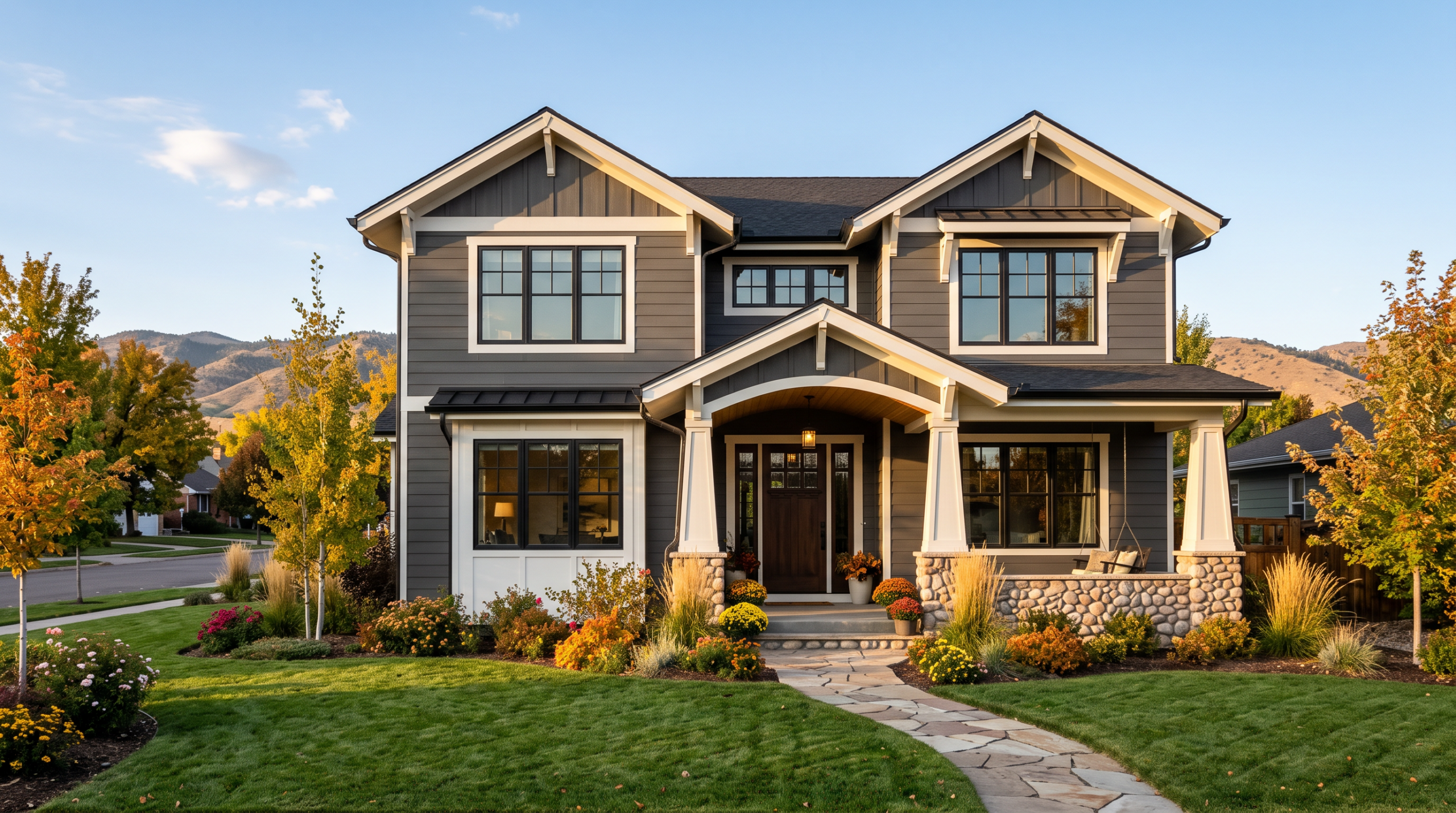
Why Denver Homeowners Are Choosing Modern Windows Before Winter
Colorado winters bring freezing temperatures, heavy snowstorms, and rapid temperature swings that test every exterior component of your house. For many properties across the Front Range, aging single-pane or failed double-pane windows are the primary source of drafts and rising heating bills. Investing in modern, high-performance window replacement before the first freeze ensures your living space stays comfortable, quiet, and energy-efficient throughout the coldest months of the year.
Here is an executive overview for busy homeowners:
- Drafty or failed window seals can account for up to 30 percent of residential heating energy loss during Colorado winters.
- Advanced multi-pane glass packages engineered for high altitude prevent seal failure and block convective heat loss.
- Upgrading your exterior before severe weather arrives protects interior trim and prevents ice damming around wall openings.
Key Questions Answered:
What is the best time for window replacement in Denver? Late summer and early autumn offer ideal temperature ranges for sealant curing and weatherproofing installation before winter storms arrive.
How do altitude-engineered windows prevent seal failure? Specialized capillary breather tubes or robust commercial spacers equalize pressure between glass panes, preventing glass bowing at 5,280 feet.
The Hidden Impact of Colorado Winter on Aging Windows
Winter in the Denver metro area is notoriously unpredictable. A mild 60-degree afternoon can plunge to single digits overnight as arctic cold fronts sweep over the Rocky Mountains. When exterior temperatures plummet, older glass assemblies quickly lose interior warmth through radiation and conduction.
In older homes across Denver, original wood sashes or early-generation vinyl units frequently develop broken perimeter seals. Once moisture penetrates the insulating airspace between glass panes, the insulating gas escapes and interior condensation forms. During sub-zero nights, this condensation freezes along the lower sash, damaging surrounding drywall and rot-prone sill framing.
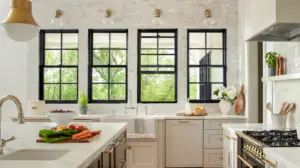
Drafty glass and leaking frames force your furnace to run continuously. Upgrading to modern Pella window replacement solutions eliminates thermal bridging and maintains consistent indoor temperatures from room to room.
The Rise of High-Altitude Glass Engineering
Standard replacement units manufactured for sea-level climates often underperform along the Front Range. At an elevation of 5,280 feet and higher, atmospheric pressure is substantially lower than in coastal manufacturing centers. Without proper design adjustments, sealed double-pane units expand outward like small balloons, stressing perimeter seals until they fail prematurely.
Modern engineering solves this challenge through precision pressure balancing and resilient spacer systems. Modern units incorporate advanced Low-E coatings tuned specifically for northern and high-altitude climate zones, allowing passive solar warmth in while reflecting radiant heat back into your living rooms.
For more technical details on regional energy performance standards, explore current guidelines on ENERGY STAR residential window ratings.
Window Replacement in Practice: What Homeowners Should Expect
Executing a full-home window upgrade requires careful planning and systematic installation steps. A professional crew does not simply remove every unit simultaneously, leaving your home exposed to the elements. Instead, the process moves opening by opening to minimize exposure and maintain interior comfort.
- Detailed Measurement and Assessment: Precision sizing confirms proper rough opening clearances and reveals any hidden water intrusion in existing framing.
- Clean Removal and Inspection: Old sashes, weights, and deteriorating stops are removed without damaging interior trim or exterior siding courses.
- Perimeter Flashing and Air Sealing: High-grade self-adhering flashing tape and low-expansion foam create an airtight, watertight barrier around the frame.
- Square and Plumb Setting: New units are leveled with composite shims to ensure smooth latching and tight weatherstripping contact.
- Exterior Trim Integration: Custom aluminum capping or composite trim integrates cleanly with siding profiles to prevent wind-driven moisture entry.
Tailored Solutions for Different Colorado Home Styles
Every neighborhood presents distinct architectural and environmental requirements. Selecting the right frame material and glass configuration depends directly on your property’s specific conditions:
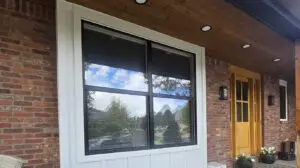
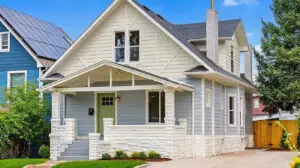
- Historic Brick Bungalows (Wash Park, Highlands): Wood interior profiles with aluminum-clad exteriors preserve historic charm while providing modern thermal performance and sound dampening against urban traffic.
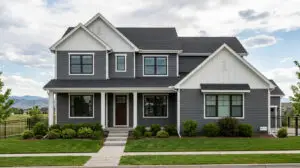
- Suburban Two-Story Residences (Centennial, Littleton): Durable fiberglass or premium vinyl casement and double-hung units provide exceptional structural rigidity against heavy wind gusts.
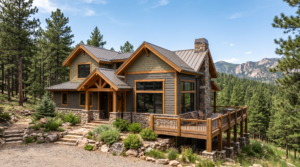
- Foothills and Mountain Properties (Golden, Evergreen, Conifer): Impact-resistant glass packages and specialized low-conductance composite frames endure intense UV exposure and extreme thermal expansion.
Why Choose 5280 Exteriors for Your Window Installation
For over 18 years, 5280 Exteriors has delivered premium exterior renovations across the Denver metropolitan area and Front Range communities. As an experienced contractor with deep local roots, our team understands the unique structural and climatic demands of Colorado properties.
We believe in educating homeowners so you can make informed decisions regarding product lines, materials, and long-term warranties. Whether you are replacing failed builder-grade glass or pairing new windows with a full fiber cement siding makeover, our specialized crews deliver meticulous craftsmanship backed by dedicated customer support.
Frequently Asked Questions
Can window installation be done during cold weather?
Yes. Professional installers work one opening at a time to minimize heat loss. Modern silicone sealants and expanding foams are rated for low-temperature application, ensuring full adhesion even during autumn and mild winter days.
What is the difference between double-pane and triple-pane windows?
Double-pane units feature two glass layers separated by an insulating gas airspace, offering excellent thermal efficiency for most residential needs. Triple-pane units add a third glass layer and second airspace, providing maximum acoustic insulation and superior performance for cold or high-noise locations.
How long does a typical home window project take?
Most single-family residential projects take between one to three days on-site, depending on the number of openings, second-story accessibility, and whether custom exterior trim capping is required.
Protect Your Home with Expert Exterior Solutions
Do not wait for winter drafts and freezing temperatures to expose weak points in your home’s thermal envelope. Upgrading your windows now enhances year-round comfort, lowers monthly utility expenses, and increases overall curb appeal. Contact 5280 Exteriors today at (720) 707-6964 or reach out online to schedule your comprehensive on-site consultation.